
Zizobet
zizobet.com
- Payout time
- 3 banking days
- Min. deposit
- €10
A closer look at European casinos: euro accounts, multilingual account information, payment statements and service updates.
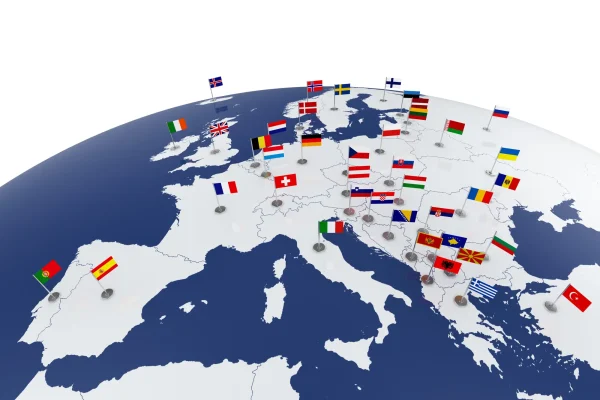
Explore European casino services through their games, languages, payment information and account features.
zizobet.com

rolletto.com

cosmobet.com

velobet.com

dudespin.com

smash.casino

dragonia.com

gambiva.com

robocat.com

luckydreams.com
European casinos bring together a wide range of online services, from websites built around one language to brands with several regional versions. Their European connection gives this page its subject, but it does not make every service alike. Game presentation, account settings, payment information and customer support can differ substantially within the region.
This guide explains those differences by topic. It looks at the experience of an EU online casino as a whole: how its catalogue is organized, how information is translated, how currencies are presented and how people manage their accounts. The aim is a clear overview of European casino services rather than a directory of countries or a collection of unexplained ratings.
“European” is a geographical description; “EU” refers to the European Union. In casino descriptions, either term may refer to a business location, a regional audience or a licensing background. A useful introduction makes that meaning clear instead of allowing a regional label to stand for every aspect of the service.
EU casinos can have different website editions, so each service description needs to identify the account environment it covers.
A casino website usually brings several functions together: a game lobby, an account area, payment information, help resources and account controls. Their arrangement affects how understandable the service feels. A visually busy homepage can still lead to a well-organized account area, while a simple homepage may leave important details scattered across several menus.
The structure also reveals the service’s emphasis. One website may organize its catalogue primarily by game format, another by software provider, and another through collections chosen by its editorial team. Those are different navigation choices rather than a reliable ranking of the underlying services.
A useful overview follows the same functions across the website. It describes where rules are displayed, how account information is reached and whether the help centre explains the labels used in the interface. This connects the appearance of the service with the practical information behind it.
Online catalogues can combine slots, software-based table games and live casino rooms. Each format has its own presentation. Slots commonly use individual game screens, digital tables represent familiar table layouts through software, and live rooms combine video with account controls. These descriptions explain the interface; they do not predict financial outcomes.
Catalogue size alone gives an incomplete picture. A total may include several versions of a title, different presentation languages or multiple tables within a broader game format. A more informative description separates the main categories and explains how the website groups them.
Game information should remain accessible from the catalogue and within the game itself. Rules, format details and provider names help identify the product being described. The same title appearing on two European websites does not mean that the surrounding account service, support arrangements or interface will be identical.
Live casino presentation can vary in language, screen layout and the prominence given to the dealer or presenter. Some interfaces reserve substantial space for video; others keep information panels visible alongside it. The effect is especially noticeable when the same room is viewed on a phone and a larger screen.
A description of live content is more useful when it addresses those visible features. It can explain the presentation language, the location of rules and the clarity of status messages. Studio decoration and production style are part of the visual experience, but they should not replace an account of how the interface works.
Software-based tables have different design considerations. Their controls, animations and information panels can operate without a live video feed. Neither format is universally preferable, and both still involve gambling risk. The relevant distinction here is how the service presents information and supports understandable interaction.
Europe’s many languages make localization a central part of the subject. A translated homepage is one layer of a service. Help articles, account notifications, document requests and written terms are other layers, and they may not all be offered in the same languages.
A clear regional edition uses consistent terminology. If a transaction is called “pending” in the account area, the help page should explain that status using language the reader can connect with the interface. Inconsistent labels can make a straightforward process harder to follow, particularly when a message switches between languages.
Localization also includes dates, number formatting and time references. A date written entirely as numbers can be ambiguous, while a support timetable without a time zone can be difficult to interpret. These small details are useful indicators of how carefully a website communicates with its intended audience.
European casino accounts are not necessarily denominated in the same currency. The currency shown in a game, the account balance and the payment method may need to be distinguished. A regional website should explain those relationships clearly rather than leaving the reader to infer them from a currency symbol.
Where conversion occurs, the relevant terms should explain which part of the transaction is converted and where any charge is described. An account displayed in euros does not, by itself, explain the treatment of a payment sent in another currency. Likewise, changing the language of the page need not change the account’s currency settings.
Good account records make these distinctions visible. An amount, currency code, transaction date and status provide a more complete record than a balance alone. The ability to revisit that information also matters when an account’s display language or other preferences change.
Payment pages often use recognizable logos to summarize available methods. The useful detail sits in the accompanying explanation: supported currencies, the purposes for which the method is available and any stated transaction conditions. A list of logos should not be treated as a complete account of the payment service.
A payment description should distinguish a deposit request, a withdrawal request and a completed transfer. They are separate events with potentially different information requirements. Published timing should make clear whether it refers to a request being reviewed, a transfer being initiated or funds reaching an external account.
Limits and charges also need context. A figure may relate to one method, one currency or a particular account arrangement. Service comparisons are clearer when they describe the conditions attached to a figure instead of presenting a single amount as a property of the entire website.
The account may record when a request was submitted and which status it currently has. That information describes the operator’s account process.
The external transfer has its own reference and timing. Its record may use a different description from the casino account, so the two should remain distinguishable.
An EU online casino may request personal information at several stages of an account’s use. Identity-related requests are commonly described as KYC, or “know your customer.” The service should explain the purpose of a request, the relevant submission channel and where its status can be viewed.
Privacy information serves a related but distinct purpose. It describes how the business presents its handling of personal information. Account security settings, marketing choices and identity documents should be explained separately, even if the website places them within one profile area.
A well-organized account makes it possible to understand those functions without relying on a series of disconnected messages. Contact details, document requests, preferences and transaction history should have recognizable locations. This is a question of clarity and usability; a polished account screen is not, on its own, proof of every claim a business makes about its data practices.
European casino services may provide a help centre, email support, chat or several of these channels. Their value depends partly on how they work together. A help article can answer a general question, while an account message may explain a situation specific to one person.
Continuity matters when a conversation moves between channels. References, message history and clearly dated replies help explain what has already been discussed. A reader should be able to distinguish an automatic acknowledgment from an answer addressing the actual question.
Language coverage and opening hours should also be described precisely. A chat window being visible does not explain which languages are staffed or when a substantive reply is available. A straightforward service overview states what the published support information actually says and avoids converting broad availability claims into guaranteed response times.
The mobile experience includes much more than a game fitting onto a smaller screen. Account history, help, currency information and limit settings also need to remain understandable. Large visual elements should not prevent those functions from being reached through clear navigation.
Browser-based services and installed apps are different ways of presenting the same broad set of functions. Either may provide a suitable layout, but their availability and update arrangements can differ. An overview should describe the actual experience instead of assuming that an app automatically improves it.
Readable text, meaningful labels and visible keyboard focus support accessibility across devices. Controls should also communicate their purpose without depending entirely on colour or an unexplained icon. These qualities make a European casino website easier to understand in different viewing conditions, regardless of its visual theme.
Account tools can include transaction history, time or spending limits, pauses and account-closure options. Their labels should describe the action involved. A temporary pause, a changed communication preference and a closed account may have different purposes, so an interface should not present them as interchangeable.
The effect of a setting should be accompanied by a clear confirmation. It is useful for an account to display when a request was made, what it affects and whether further action is pending. Explanations should also be accessible after the original confirmation screen has disappeared.
Descriptions of account controls need to stay within their stated scope. A feature offered by one service should not be presented as a universal arrangement covering every European casino. The regional label tells the reader where the service belongs in this guide, not the reach of an individual account setting.
A useful discussion of the best European casinos explains its criteria. It separates presentation, communication and account functions so that a strong visual impression does not conceal unclear terms or missing information. An unexplained score cannot show which of those qualities was actually assessed.
The following categories provide a consistent way to describe EU online casinos. They are a framework for understanding service differences, not a list of recommended operators.
| Topic | What a useful overview describes |
|---|---|
| Catalogue | Game formats, organization and access to game information |
| Language | Interface, help resources and support-language coverage |
| Currency | Account denomination and the explanation of conversion |
| Payments | The separate stages, conditions and records of transactions |
| Account tools | History, preferences, security settings and limits |
| Mobile use | Navigation, legibility and access to important information |
| Support | Available channels, published hours and continuity of replies |
European account services bring the lobby, payment history, help centre and settings together, but those areas may be supplied through different systems. Consistent labels make the relationship between them understandable. A status shown in the account should have the same meaning when it appears in a help article or a dated notification.
Currency and number formats are especially relevant across European audiences. A comma or a full stop may mark a decimal differently in another language, while the currency code identifies the unit independently of formatting. A clear account record preserves the amount's meaning when the display language changes and explains whether a second figure is a conversion or a separate balance.
Continuity also matters when a website changes its design. Older statements and messages may retain earlier labels. An explanation linking those labels to the current account view helps readers understand their records without treating a visual update as a new transaction or a change of currency.
European location and EU membership do not create one universal gambling permission. EMTA’s permit guidance explains that an authorization issued elsewhere does not automatically authorize offering gambling in Estonia. Our Estonian casinos guide and MGA casinos guide explore payments, account terms and player protections in those contexts.
For the wider international service picture, continue to foreign casinos. The offshore casinos guide covers a separate regional grouping. These links connect more specific casino-group descriptions with the broader European service overview, without suggesting that shared geography makes every account or payment arrangement identical.
EMTA guidance on activity licenses and operating permits.
The following is a general brand profile. The company address discussed here provides geographical context; an address in Cyprus does not establish an MGA licence, EU-wide gambling authorization or permission in Estonia.
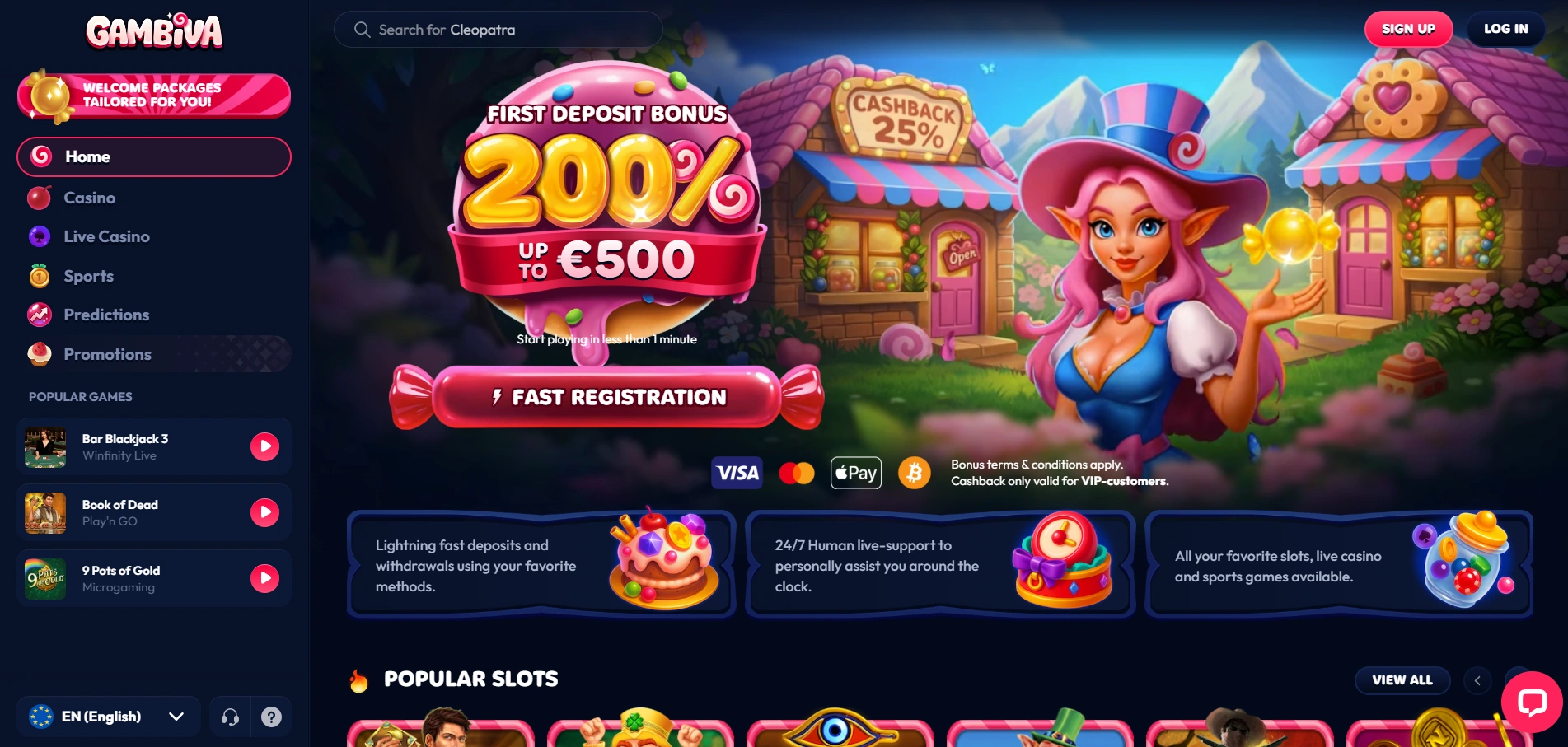
Gambiva is linked to Softon Ltd in a notice published by the Australian Communications and Media Authority. The accompanying warning identifies the company at a Cyprus address and describes casino-style games and betting services, including in-play betting. These are findings about the service examined during that investigation, rather than a current inventory of every feature on the website.
The authority records a finding concerning the provision of prohibited and unlicensed services to customers in Australia. That finding is specific to the Australian circumstances described in the document. Gambiva's current operator terms and payment conditions could not be retrieved for this profile, so no payout time, deposit limit or European licensing status is confirmed here. No account testing was performed.
ACMA: formal warning to Softon Ltd concerning Gambiva and TenoBet, publication updated 31 July 2026.


The terms overlap, but Europe is a geographical region and the EU is a political union. In a casino description, either term also needs context: it may concern the business, its audience or its regulatory background.
No single catalogue defines the region. Services can differ in game formats, suppliers, language editions and the way their lobbies organize content. Regional versions of one brand can also differ.
The regional label does not establish the account currency. The website’s account and payment information should explain the currency used for balances, transactions and any relevant conversion.
European languages can use different date orders and decimal separators. Currency codes, labelled dates and stated time zones help explain the same record across those formats. Changing the page language does not itself mean that a new transaction occurred or that the account currency changed.
The account area, help resources and controls need to remain readable and accessible alongside the games. Clear navigation, understandable labels and visible status information matter on small screens as well as larger ones.